2026 Top Led Tube Light Trends for Global Buyers?
As the demand for energy-efficient lighting solutions grows, the "Led Tube Light" industry is evolving rapidly. According to Dr. Emily Carter, a leading expert in lighting technology, "The future of lighting lies in innovation and sustainability." Her insights illuminate the importance of staying ahead in this competitive market.
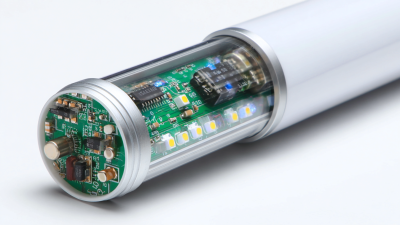
In 2026, global buyers will face many trends in Led Tube Lights. From smart technology integration to enhanced energy efficiency, these trends will significantly impact purchasing decisions. Many manufacturers are exploring advanced materials that improve durability while maintaining performance.
While innovations are crucial, they also prompt reflection. Not every trend is worth pursuing. It's vital to assess the actual benefit of new features. Buyers should prioritize long-term value over short-lived trends. The Led Tube Light industry promises exciting developments, but making informed choices is essential.
2026 Trends in LED Tube Lighting Technology and Innovations
The LED tube lighting market is witnessing remarkable innovations in 2026. Energy efficiency remains a key driver. New technologies, such as smart controls, are beginning to dominate the scene. These advancements allow users to optimize their energy use significantly. Enhanced color rendering and tunable white features are also gaining traction. They provide flexibility in lighting design.
When selecting LED tube lights, consider your specific needs. Look for options that offer adjustable brightness and color temperature. This ensures you can create the desired ambiance in different environments. Pay attention to the lifespan of fixtures. Longer-lasting bulbs may have a higher upfront cost, but they can save money over time.
Reflecting on these trends, it's crucial to remember customization in lighting solutions. Not every type will suit every space. Evaluate how your chosen technology impacts aesthetic and functionality. Thoughtful choices not only enhance interiors but also contribute to energy sustainability. Consider how these innovations align with your values.
Key Factors Influencing LED Tube Light Purchases Globally
When considering global purchases of LED tube lights, several key factors come into play. Customers prioritize energy efficiency and long lifespan. These features significantly reduce electricity bills and maintenance costs. Many buyers opt for lights with a minimum of 50,000 hours of usage, reflecting a commitment to sustainability.
Price and quality can sometimes conflict. Buyers may find cheaper options, but they might lack the same quality and efficiency. This creates a dilemma for many. Trust is crucial in choosing suppliers. Buyers often look for credible reviews and case studies. The absence of standardized quality certification can lead to uncertainty, prompting consumers to do extensive research.
Another important consideration is the design of the LED tube lights. Aesthetic appeal and versatility are on the rise. Many buyers now want lighting that can seamlessly blend with various interior designs. They are often looking for options that offer color tunability. However, the vast choices can lead to confusion, making informed decision-making essential. Balancing all these aspects can be challenging.
2026 Top Led Tube Light Trends for Global Buyers
| Trend |
Key Factor |
Impact on Purchases |
Percentage Influencing Buyers |
| Smart Lighting Integration |
Increased Demand for Smart Homes |
Boosts product appeal through connectivity |
35% |
| Sustainability Focus |
Environmental Awareness |
Promotes eco-friendly product choices |
40% |
| Cost Efficiency |
Rising Energy Prices |
Encourages budget-conscious purchasing |
45% |
| Design Versatility |
Aesthetic Preferences |
Appeals to diverse consumer tastes |
30% |
| Health and Wellbeing |
Focus on Human-Centric Lighting |
Influences selection for better mood and productivity |
25% |
Sustainability and Energy Efficiency in LED Tube Lighting
As global buyers look toward the future, LED tube lighting emerges as a leading choice for sustainability. According to a report from the International Energy Agency, lighting accounts for about 15% of global electricity consumption. Switching to LED technology can reduce energy use by up to 50% compared to traditional fluorescent lighting. The positive environmental impact is significant, as LEDs have a longer lifespan and require less frequent replacements, minimizing waste.
Sustainability in LED tube lighting not only involves energy efficiency but also focuses on the materials used. Many manufacturers now emphasize using recyclable materials in their products. This approach responds to a growing demand for eco-friendly solutions, aligning with the circular economy principles. However, the market still faces challenges, such as the need for more transparent supply chains and reliable recycling options.
To maximize the benefits of LED tube lights, consider the following tips for selecting products. Look for lights that meet or exceed Energy Star ratings. Pay attention to the lifetime hours indicated on the packaging, as this affects overall savings. Engage with reputable suppliers to ensure sustainable choices. Remember, your decisions today impact the environment tomorrow.
2026 Top LED Tube Light Trends: Sustainability and Energy Efficiency
Design Aesthetics and Customization Options for LED Tube Lights
The LED tube light market is evolving rapidly, emphasizing design aesthetics and customization. Buyers increasingly prefer products that blend functionality with unique visual appeal. According to a recent industry report by MarketsandMarkets, the global LED lighting market is expected to reach $162 billion by 2026. This growth is largely driven by consumer demand for energy-efficient solutions that fit various design styles.
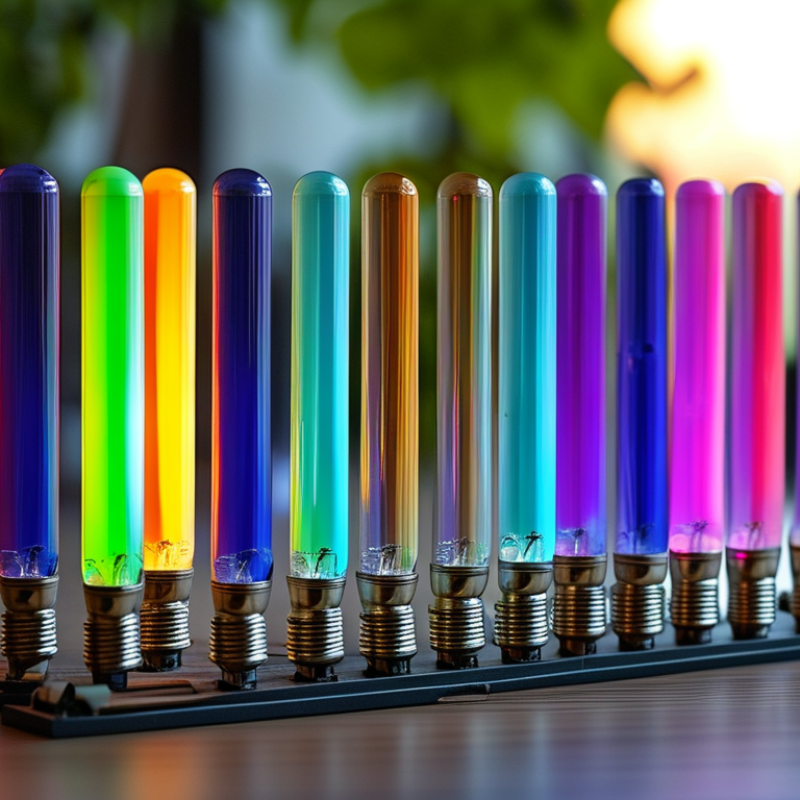
Customization is becoming more crucial. Manufacturers offer a plethora of color options, lengths, and fixtures, catering to diverse interior preferences. For example, adjustable color temperatures can enhance mood and atmosphere. Yet, despite advancements, some consumers express dissatisfaction with the lack of variety in light distribution designs. A more holistic approach to aesthetics can enhance user experience.
Design flexibility also reflects emerging sustainability trends. Eco-conscious buyers are interested in materials and processes that minimize environmental impact. Yet, many products still do not meet these expectations. Addressing aesthetic needs without compromising sustainability is a challenge. Striking this balance is essential for manufacturers aiming to lead in the competitive LED tube light market.
Market Analysis: Leading Manufacturers and Competitive Pricing Strategies
The global LED tube light market is evolving rapidly. Manufacturers are adopting diverse strategies to stay competitive. Understanding these approaches is essential for buyers looking to make informed decisions. Companies are focusing on sustainable production while also meeting consumer demands for energy efficiency.
Pricing strategies are key in this market. Many manufacturers are utilizing cost-effective materials without compromising quality. This creates a challenge for buyers, who must balance price and performance. Some brands opt for premium pricing, signaling higher value, yet may alienate budget-conscious consumers. It's important to analyze how pricing affects long-term investment in these lighting solutions.
Another aspect to consider is market segmentation. Different regions have varying preferences and requirements for LED tube lights. This leads to a range of product offerings tailored to specific markets. Buyers may find themselves faced with many choices, making it crucial to research thoroughly. While some innovations are promising, not all may deliver the expected results. Therefore, careful evaluation of market trends and manufacturer reputation is vital for navigating this complex landscape.