2026 Best Led Downlight Options for Global Buyers?
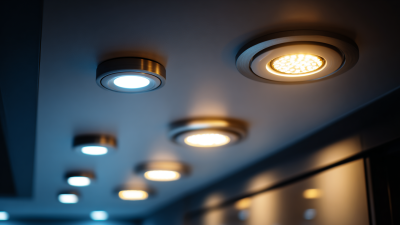
In recent years, LED downlights have gained immense popularity among homeowners and designers alike. These energy-efficient lighting solutions provide both functionality and aesthetic appeal. As we look towards the future, particularly into 2026, global buyers are presented with a variety of options.
Selecting the best LED downlight requires careful consideration. Factors include brightness, color temperature, and suitability for different settings. Additionally, not all products meet quality standards. Therefore, finding a reputable manufacturer is essential. Many buyers may feel overwhelmed by the choices available. Expert recommendations can help smooth the decision-making process.
However, the rapid evolution of technology means not every product will be a perfect fit for every space. An understanding of your specific needs can bridge this gap. Evaluating your options with an informed perspective will ensure your investment in LED downlights is worthwhile. Remember, informed choices lead to better outcomes in your lighting projects.
Top Features to Consider When Choosing LED Downlights
When choosing LED downlights, several key features should be considered. The brightness level is vital. Measured in lumens, this determines how much light the fixture emits. For a comfortable atmosphere, select downlights that offer adjustable brightness. This flexibility helps create different moods for various spaces.
Energy efficiency is another important factor. Look for downlights with a high luminosity-to-wattage ratio. This ensures you get more light while consuming less power. However, not all energy-efficient products are made equal. Researching certifications can help you avoid options that may seem efficient but aren't reliable in the long term.
Finally, consider the color temperature. The warmth or coolness of the light can dramatically change a room's feel. Options range from warm white to cool daylight. Finding the right balance is essential. Experimenting with different temperatures can lead to unexpected results. Sometimes, what seems appealing might not suit your space as well as you thought. Choices should reflect your personal style and the environment's overall function.
2026 Best LED Downlight Options for Global Buyers
Comparative Analysis of Leading LED Downlight Brands in 2026
In 2026, the LED downlight market is increasingly competitive. Global buyers have various options to consider. Key brands focus on energy efficiency, design aesthetics, and user reviews. These factors can significantly influence customer satisfaction.
When comparing brands, check the lumens output and color temperature. Different spaces require different lighting styles. For cozy atmospheres, warm tones are preferable. Bright, cooler tones work well for workspaces.
Tips: Always read user reviews. Real experiences can highlight product strengths and weaknesses. Additionally, think about installation ease. Some models may require professional help, adding to the overall cost. Remember to assess warranties as well. A longer warranty often indicates better quality.
Energy Efficiency Ratings and Cost Savings of LED Downlights
LED downlights are increasingly popular for their energy efficiency and cost-saving benefits. According to the U.S. Department of Energy, LED technology uses up to 75% less energy than traditional incandescent bulbs. This significant reduction in energy consumption translates directly into lower electricity bills for consumers. In commercial settings, the savings can be even more pronounced, with some businesses reporting up to 50% reduction in lighting costs when switching to LED.
Additionally, LED downlights have an impressive lifespan. They typically last 15,000 to 50,000 hours. This longevity means fewer replacements and lower maintenance costs. However, it's essential to consider the initial investment. While upfront costs can be higher, the long-term savings often justify the expense. Many buyers still hesitate, reflecting on budget constraints.
Evaluating energy efficiency ratings is crucial when selecting LED downlights. The Lighting Facts label provides useful information on lumens per watt, indicating brightness efficiency. Consumers should closely examine these ratings to make informed decisions. With various options available, finding suitable products that balance cost and efficiency is challenging yet necessary.
Innovative Designs and Technology Trends in LED Downlighting
As LED downlights continue to evolve, innovative designs and technology trends shape the market for global buyers. The focus is on
efficiency and aesthetics, making them increasingly desirable in
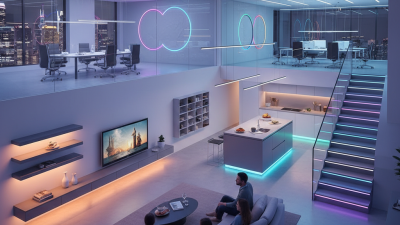
residential and commercial spaces. Smart technology integration is at the forefront, with features like
remote control and sensor activation. These functions enhance convenience while
reducing energy consumption. Using advanced optics, downlights can create uniform light distribution, minimizing harsh shadows and glare,
which are common issues.
When choosing LED downlights, consider the color temperature. The right temperature affects mood and functionality.
Warm white works well in living areas. Cool white suits workspaces. Dimming capabilities are also vital.
They offer flexibility for different occasions. Sometimes, designs may not meet expectations in terms of style. It’s essential to assess the overall look,
ensuring it complements your space.
Pay attention to the installation process. Some designs can be tricky to install without professional help. This might lead to
additional costs. Always check the fixture size and mounting type. A good fit prevents future issues.
Look for models with high-quality heat dissipation. This enhances longevity and performance. Remember, not all products will meet your
exact needs, and it may take some trial and error to find the perfect match for your setting.
Global Market Trends and Consumer Preferences for LED Downlights
The global market for LED downlights is evolving rapidly. Consumers are leaning towards energy efficiency, improved aesthetics, and smart technology integration. There is a rising preference for dimmable lights, which offer versatility and control over ambiance. Many buyers are also interested in the lifespan of downlights, as longevity translates to lower replacement costs.
Tips: Choose downlights that suit your room size. For small spaces, opt for compact designs. Larger areas may benefit from multiple fixtures to enhance brightness. Look for products that emphasize energy ratings. Higher efficiency means lower bills.
Design trends are shifting as well. Minimalist styles are gaining traction, complemented by sleek finishes. Color temperature plays a crucial role in setting moods. Cooler tones create an energetic feel while warmer tones offer coziness. Some consumers might overlook these aspects, leading to unsatisfactory lighting experiences.
Tips: Test light samples in your home before making a final choice. It helps in visualizing the effect in your actual space. Exploring customer reviews can also shed light on long-term durability and satisfaction. Keeping an eye on the latest innovations can inform your decisions as well.
2026 Best Led Downlight Options for Global Buyers
| Category |
Color Temperature (Kelvin) |
Lumen Output |
Wattage |
Dimmable |
Energy Star Certified |
| Residential |
2700K |
800 lm |
10W |
Yes |
Yes |
| Commercial |
4000K |
1200 lm |
15W |
No |
Yes |
| Industrial |
5000K |
1500 lm |
20W |
Yes |
Yes |
| Outdoor |
3000K |
1000 lm |
12W |
Yes |
No |
| Smart |
2700K - 6500K |
800 lm |
10W |
Yes |
Yes |