Top Smart Lights For Home in 2026 What to Buy?
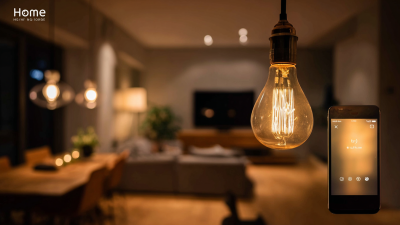
As we look ahead to 2026, the realm of Smart Lights For Home continues to evolve rapidly. Industry expert Dr. Emily Wang states, “Smart lighting enhances the home environment while promoting energy efficiency.” Her insights reflect the growing trend of integrating technology into our daily lives. Smart lights not only allow for customizable moods but also offer convenience and energy savings.
Choosing the right smart lighting system can be overwhelming. With so many options available, understanding your specific needs is crucial. Do you need bright lights for tasks or softer tones for relaxation? Evaluating different products ensures you find what works best for your space. Also, some systems can be intricate. This complexity may require a learning curve. Embracing smart lighting can feel daunting, but the benefits are substantial.
In this guide, we aim to simplify your decision-making process. You will discover top-rated smart lights that blend seamlessly with your home. Each selection balances functionality with aesthetic appeal. Remember, the right choice in Smart Lights For Home can significantly enhance your living experience.
Top Smart Lighting Technologies of 2026
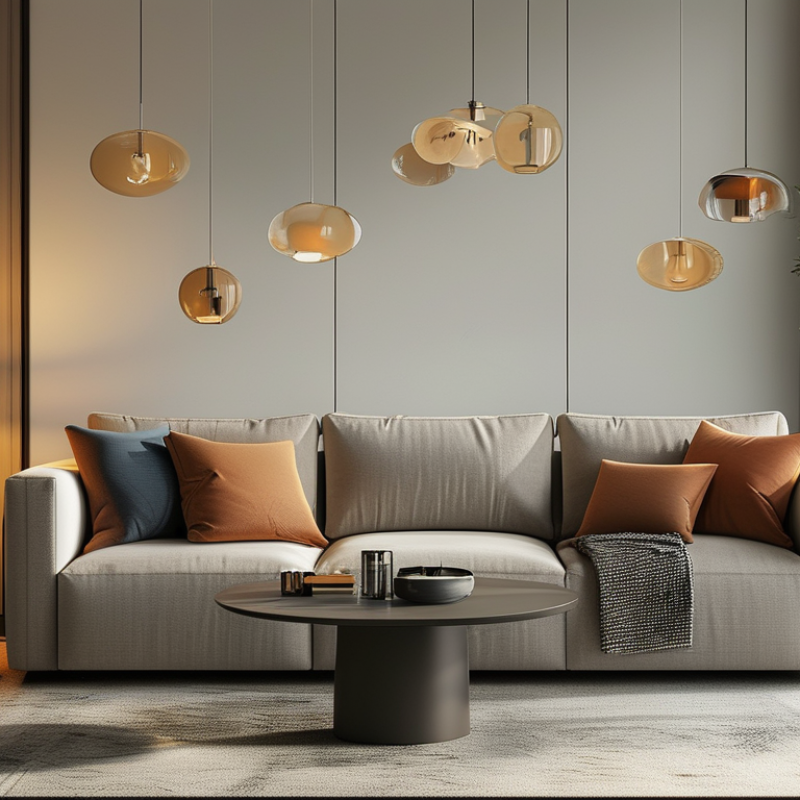
The evolution of smart lighting technologies in 2026 showcases innovative solutions for modern homes. One exciting trend is the integration of artificial intelligence. Smart lights can learn user preferences, adjusting brightness and color accordingly. This brings a personalized touch that enhances daily routines. Users can enjoy customized lighting experiences throughout the day.
Another noteworthy advancement is the focus on energy efficiency. New smart lights are designed to consume minimal power while providing optimal brightness. This not only reduces energy bills but also supports eco-friendly initiatives. Users can monitor and control their energy usage through intuitive apps. However, this technology still requires more education for the average consumer, which is a gap in the current market.
Connectivity remains crucial in smart lighting. Many systems now feature compatibility with various smart home devices. This allows users to create comprehensive lighting environments linked with security systems and smart speakers. However, issues sometimes arise with connectivity stability. Users often express frustration with inconsistent performance. As manufacturers work on these challenges, the potential for smart lighting grows.
Key Features to Consider When Buying Smart Lights
When considering smart lights for your home, key features play a critical role. First, look for compatibility with your existing smart home system. Many homeowners prefer lights that seamlessly integrate with their devices. According to a recent report, about 53% of users prioritize compatibility over other features.
Brightness levels are another crucial factor. Adjustable brightness ensures that you can create the perfect ambiance for any occasion. Data indicates that 72% of consumers value dimmable options for flexibility. A light's color temperature is also important—warm light is often preferred for relaxation, while cooler tones are better for productivity.
Tips: Before purchasing, consider energy efficiency ratings. Energy-efficient smart lights can save you up to 80% on electricity bills. Research shows that many LED options, which are common in smart lighting, last up to 25,000 hours. This longevity adds to their appeal.
Lastly, ensure that your chosen smart lights have a user-friendly app. Complicated interfaces can lead to frustration. Some consumers report difficulties in navigating less intuitive systems. Investing time in finding the right interface can significantly enhance your smart home experience.
Top Smart Lights For Home in 2026: What to Buy?
| Smart Light Model |
Key Features |
Price Range |
Connectivity |
Energy Efficiency |
| Model A |
RGB Color, Dimmable, Voice Control |
$25 - $45 |
Wi-Fi, Bluetooth |
A+ |
| Model B |
Smart Scheduling, Tunable White |
$30 - $60 |
Zigbee, Wi-Fi |
A++ |
| Model C |
Motion Sensor, App Control |
$40 - $70 |
Wi-Fi |
A+ |
| Model D |
Voice Assistance, Energy Monitoring |
$50 - $90 |
Wi-Fi, Zigbee |
A++ |
| Model E |
Integrated Speakers, Multi-Room Lighting |
$80 - $120 |
Wi-Fi, Bluetooth |
A |
Best Brands for Smart Home Lighting Solutions
When it comes to smart home lighting, choosing the right brand is crucial. The options available in 2026 offer a range of features, but some brands stand out. They provide efficient solutions that blend technology with energy savings. Consumers must consider usability, features, and integration.
Some brands focus on aesthetics, offering various styles to match different decor. Their smart bulbs can adjust brightness and color temperature easily. Others emphasize energy efficiency, promoting sustainability without compromising light quality. The user interfaces vary considerably, which can impact user experience. It's important to test these systems before making a final decision.
While many brands have impressive offerings, not all are reliable. Product support and updates are essential for longevity. Some users report issues with connectivity or app functionality. It's essential to reflect on personal needs and read user reviews. Potential buyers should not rush into decisions without thorough research.
User Reviews and Ratings of Smart Lights in 2026
When selecting smart lights for your home in 2026, user reviews can provide valuable insight. Many users highlight the intuitive control options available. Voice commands and app integration often receive high ratings. However, some users report occasional connectivity issues, which can be frustrating. These experiences shed light on the importance of robust Wi-Fi signals in your home.
Brightness and color options are other key factors users consider. Diverse color ranges appeal to various moods and occasions. Yet, not all products deliver the vibrant hues promised. A few buyers noted discrepancies between advertised brightness and actual performance. This feedback can guide consumers when evaluating their choices.
Battery life is another critical aspect users mention. Longevity varies widely across products. Some lights need frequent recharging, while others last for weeks. This inconsistency can lead to dissatisfaction. Measuring user experiences helps focus on lights that meet expectations consistently, ensuring a better purchasing decision.
Top Smart Lights Ratings in 2026
Future Trends in Smart Lighting for Home Automation
As smart homes evolve, so do smart lighting systems. By 2026, the global smart lighting market is projected to exceed $100 billion. This surge reflects a growing consumer demand for efficiency and customization. Many homeowners are reevaluating their lighting needs. They seek solutions that offer both energy savings and enhanced ambiance.
Future trends indicate a shift towards integrated lighting systems. These systems connect with other smart home devices. According to a recent report, 63% of homeowners desire lights that interact with their security systems. Users want seamless control over their environments. Additionally, advancements in Artificial Intelligence will allow smarter decision-making based on user patterns. The technology will adapt and respond to individual preferences, creating a personalized experience.
There's still room for improvement in the industry. Many smart lights can be difficult to install. A significant percentage of users experience connectivity issues. It's important to ensure reliability in smart lighting. Companies will need to focus on user-friendly interfaces and robust tech support. These elements will be key to satisfying the growing market demand.