2026 How to Choose the Best Led Kitchen Lights for Your Home?
Choosing the right LED kitchen lights is crucial for both functionality and aesthetics. According to a recent industry report by the Lighting Research Center, over 75% of homeowners prefer LED fixtures for their energy efficiency and brightness. These lights not only save electricity but also enhance the kitchen's ambiance. As lighting expert Dr. Jane Thompson puts it, "The right lighting makes a kitchen feel alive and inviting."
In the quest to select the best LED kitchen lights, consider factors like wattage, color temperature, and fixture design. The market offers various options, from under-cabinet lights to pendant designs. Each type serves a different purpose while contributing to the overall kitchen environment. However, some homeowners may overlook how color temperature impacts mood and task performance, often choosing style over practicality.
Despite their benefits, LED kitchen lights can sometimes be overwhelming in choices. You may hesitate, unsure which fixtures complement your kitchen’s design. Therefore, it is essential to balance personal preferences with practical applications. Investing in quality LED options will enhance your kitchen, making it not just functional but also a welcoming space.
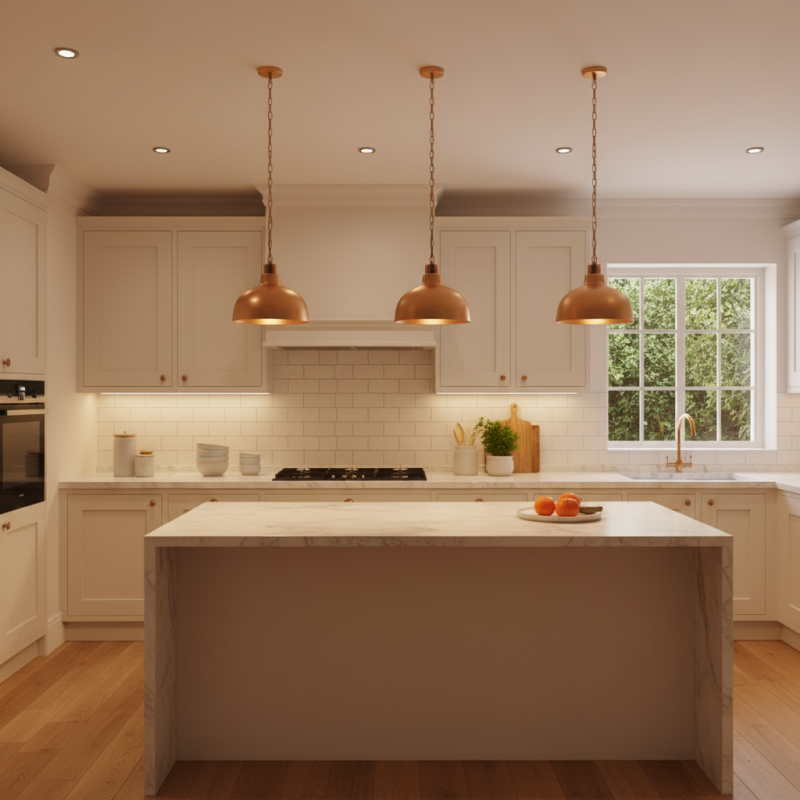
Factors to Consider When Selecting LED Kitchen Lights for 2026
When selecting LED kitchen lights for 2026, several important factors must be considered. First, brightness plays a crucial role. The ideal kitchen light should provide ample illumination. Studies suggest that you should aim for 300 to 500 lumens per square meter for optimal task lighting. This brightness level helps reduce eye strain while you cook or read recipes.
Color temperature is another critical aspect. It influences the atmosphere and functionality of your kitchen. A color temperature between 3000K and 4000K is often recommended. This range provides a warm, inviting ambiance, while still appearing bright and clean. Additionally, it enhances food colors, making meal preparation more enjoyable.
Finally, energy efficiency cannot be overlooked. According to the U.S. Department of Energy, LED lights use up to 75% less energy than traditional incandescent bulbs. This efficiency not only lowers your electricity bill but also reduces your carbon footprint. Balancing these factors ensures you choose the best kitchen lights that meet your needs while being environmentally conscious. Selecting the right LED lights can make a significant difference in your kitchen's functionality and aesthetic appeal.
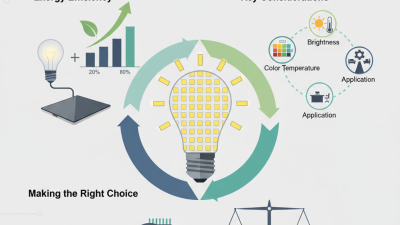
2026 LED Kitchen Lights Selection Factors
Understanding Lumens: The Importance of Brightness in Kitchen Lighting
Understanding lumens is essential when selecting the best LED kitchen lights. Lumens measure brightness. More lumens mean a brighter light. For kitchens, the recommended brightness is between 300 to 500 lumens for general lighting. Tasks like cooking may require even more bright lighting, around 800 to 1200 lumens. Balancing these levels improves visibility.
Kitchen lighting should cater to various activities. Soft lighting creates a welcoming atmosphere during meals. However, task lighting is crucial when chopping vegetables or reading recipes. According to industry reports, nearly 30% of homeowners prioritize functionality over aesthetics when choosing kitchen lights. Consider your kitchen layout and how light will spread.
Tips to enhance kitchen lighting: Use layered lighting. Combine ambient, task, and accent lights for versatility. Dimmer switches provide flexibility, allowing adjustment based on the task. Placement matters. Position lights above work areas and consider under-cabinet lighting to eliminate shadows. Finally, evaluate your lighting after installation. You may find areas needing more focus. Keeping functionality at the forefront ensures your kitchen lighting meets daily needs.
Color Temperature Variations: Choosing the Right Shade for Your Kitchen
Choosing the right color temperature for your kitchen lights can significantly impact your cooking and social environment. Kitchens often require bright, clear illumination for safety and efficiency. A temperature around 4000K to 5000K offers a neutral white light that enhances visibility. This range is perfect for preparing meals and engaging in kitchen tasks.
However, personal preference plays a vital role. Some may prefer a warmer tone around 2700K to 3000K. This less intense light creates a cozy and inviting atmosphere, ideal for family gatherings. It's essential to consider the overall color scheme of the kitchen. Matching your color temperature to the cabinetry and wall colors can enhance the aesthetic appeal.
Incorporating dimmable options can also add flexibility. Dimming lights for a more relaxed vibe during social hours can be beneficial. Not all fixtures emit the same quality of light, so testing different types is vital. It’s easy to underestimate how variations in color temperature affect mood and function. Take time to explore and reflect on how different lights influence your kitchen experience.
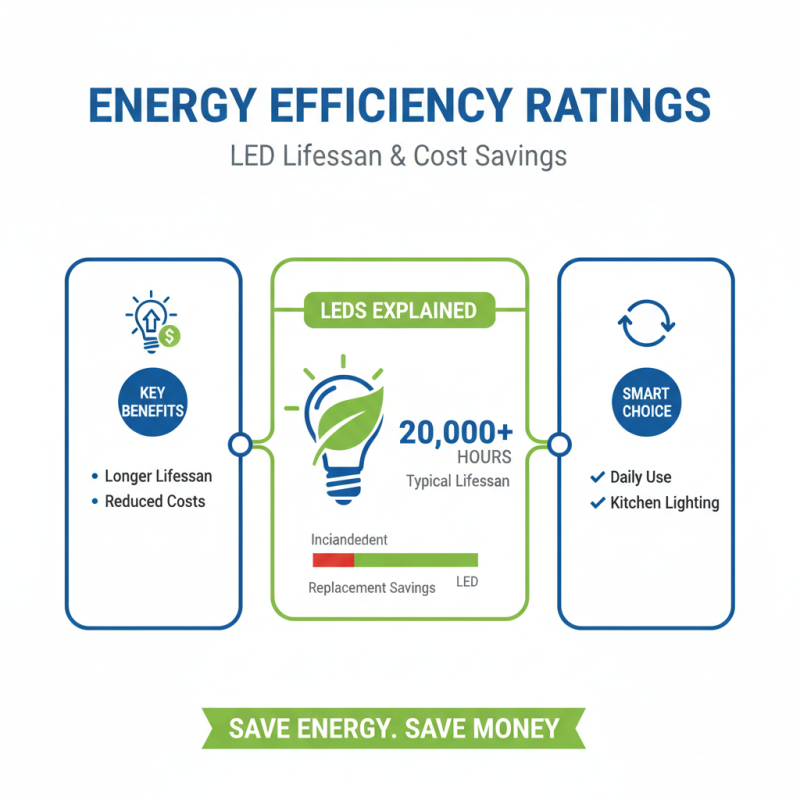
Energy Efficiency Ratings: Evaluating LED Lifespan and Cost Savings
When selecting LED kitchen lights, energy efficiency is key. Look for lights with high energy efficiency ratings. These ratings reflect both lifespan and cost savings. The longer the light lasts, the more you save in replacement costs. LEDs typically last over 20,000 hours, making them a smart choice for daily use.
Consider the wattage as well. Higher wattage often equals brighter light but also higher energy bills. Aim for a balance that suits your cooking needs without excessive energy consumption. For example, a 10-watt LED can provide the same brightness as a 60-watt incandescent bulb.
Tips: Look for lights with at least a 90% efficiency rating. This ensures you get more light for less power. Always check warranties too. A longer warranty reflects confidence in the product's durability. Be mindful of the initial investment; it can pay off in future savings.
Design Trends in LED Kitchen Lighting for Modern Home Aesthetics
In the world of modern kitchen design, LED lighting plays a vital role. Designers today use a mix of ambient, task, and accent lighting to create inviting spaces. A recent industry report highlighted that 70% of homeowners consider lighting a crucial aspect of kitchen design. This trend emphasizes the need for stylish and functional light fixtures.
Incorporating LED lights enhances aesthetics. Warm white lights can create a cozy atmosphere, while brighter options are ideal for cooking and preparation tasks. It's essential to consider color temperature when selecting lights. According to a survey from the American Lighting Association, 60% of respondents prefer LED kitchen lights in the 2700K to 3000K range, as this mimics natural daylight and enhances food presentation.
Yet, not all LEDs are created equal. Some can cast harsh shadows or create an uneven light distribution. In a recent study, over 30% of users reported dissatisfaction with their LED choices due to poor dimming capabilities. This highlights the importance of selecting high-quality fixtures that maintain consistent lighting levels. Thoughtful design choices can significantly impact not just the functionality but also the overall ambiance of a kitchen space.
2026 How to Choose the Best Led Kitchen Lights for Your Home? - Design Trends in LED Kitchen Lighting for Modern Home Aesthetics
| Lighting Type |
Color Temperature (K) |
Lumens Output |
Energy Efficiency (Wattage) |
Lifespan (Hours) |
Ideal Use |
| Under Cabinet Lights |
3000 - 4000 |
200 - 500 |
10 - 15 |
25,000 |
Task Lighting |
| Pendant Lights |
2700 - 3500 |
500 - 800 |
15 - 20 |
30,000 |
Ambient Lighting |
| Recessed Lighting |
3500 - 5000 |
600 - 1000 |
12 - 18 |
50,000 |
General Lighting |
| Track Lighting |
3000 - 4000 |
400 - 700 |
10 - 15 |
20,000 |
Accent Lighting |
| Chandeliers |
2700 - 3000 |
800 - 1200 |
20 - 30 |
40,000 |
Decorative Lighting |