10 Essential Tips for Choosing LED Track Lights for Your Home?
Choosing the right LED track light for your home is crucial for enhancing both aesthetics and functionality. According to a 2023 report by the Lighting Research Institute, LED lighting accounts for over 50% of the residential lighting market. With the growing trend towards energy efficiency, LED track lights are a popular choice among homeowners. They offer flexibility in design and superior energy savings.
Lighting expert John Bright states, "The right track light can transform a space." His insights highlight the importance of selecting the right style, brightness, and color temperature. The vast selection of LED track lights can be overwhelming. Factors such as room size, ceiling height, and intended use can complicate your choice. Remember, not all lights create the same atmosphere, and some options may not fit well within your decor.
While versatility is appealing, it's essential to avoid choices based solely on design trends. Consider long-term functionality and energy-saving benefits. An improperly selected LED track light may lead to unbalanced lighting or increased energy costs. Careful consideration can guide you toward a decision that fulfills both your decorative and practical requirements.
Understanding the Basics of LED Track Lighting
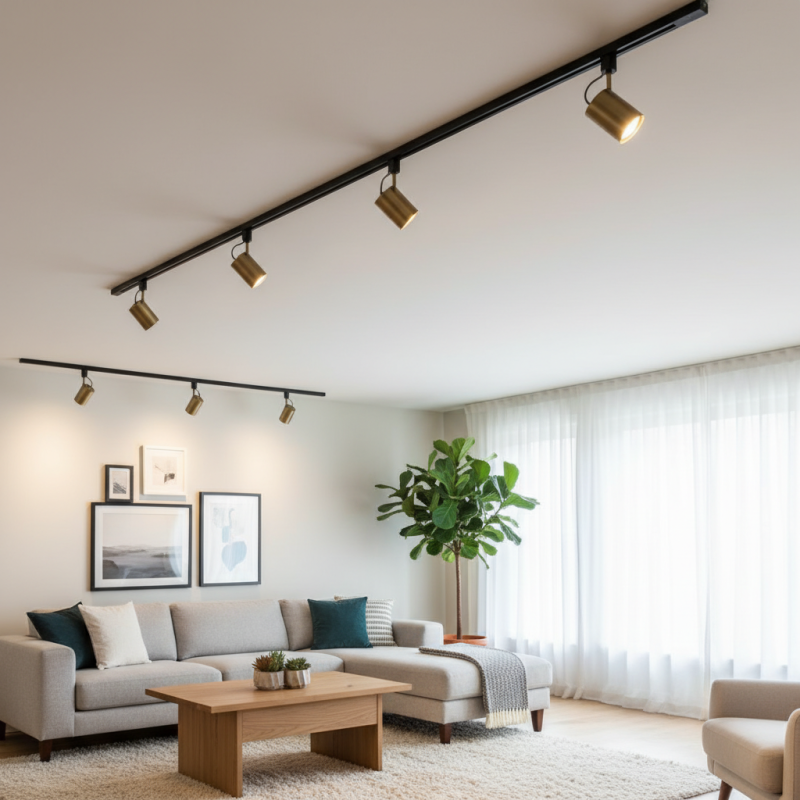
LED track lighting has gained popularity in modern homes. It offers flexible illumination for various spaces. Understanding the basics can help you make an informed choice. A recent report from the U.S. Department of Energy noted that LED lighting uses 75% less energy than incandescent bulbs. This efficiency can lead to significant savings on electric bills.
When choosing track lights, consider the type of light they emit. LEDs come in various color temperatures. A cooler white light creates an energizing atmosphere, while a warmer tone offers coziness. Data shows that about 70% of consumers prefer LEDs for their versatility. Track lighting provides a dynamic solution, allowing adjustment of the light direction. However, improper placement can create shadows and uneven lighting. Knowing your space's layout is crucial.
Also, consider the quality of LED fixtures. Not all products are created equal. Reports indicate that nearly 30% of LED lights lose brightness faster than expected. Investing in quality fixtures can enhance longevity. However, higher upfront costs can be a sticking point for many homeowners. Balancing initial expenses with long-term benefits requires careful thought.
Evaluating the Space: Size and Layout Considerations
When choosing LED track lights, evaluating the space is crucial. The size of the room impacts your lighting decisions significantly. A small room may require fewer fixtures than a large one. Likewise, high ceilings might necessitate more powerful lights. Consider how light travels in your space. Shadows can create problems if not managed properly.
Next, think about the layout. Open floor plans can benefit from adjustable lights, allowing for flexible illumination. Positioning is key. Highlight areas like artwork or furniture to enhance the room's aesthetics. However, be cautious: too much light can create harsh contrasts. You may need to experiment to find the perfect balance.
Pay attention to light direction as well. Track lights can be oriented in various ways. This flexibility helps in addressing dark corners or focal points. Sometimes, an unexpected angle may provide the best ambiance. Keep in mind, however, that not every setup will be ideal. You may need trial and error to achieve the desired effect. Don’t hesitate to reflect on your choices as you design your space.
LED Track Lights: Evaluating the Space
Selecting the Right Brightness and Color Temperature
When selecting LED track lights for your home, brightness and color temperature are crucial. The right brightness can transform a space. You don't want your rooms to feel stark or overly dim. Aim for a balance that enhances your decor.
Consider the specific needs of each room. For a kitchen, brighter light enhances functionality. A warm light can create a cozy atmosphere in your living room. If you have art to showcase, opt for a higher color temperature to make colors pop.
Tip: Test different brightness levels before deciding. Not all lights are equal. Sometimes, you might find that what works on a catalog page doesn't fit your vision in reality. Be adaptable and willing to change. Choose fixtures that can be adjusted for different needs, especially in multifunctional spaces.
10 Essential Tips for Choosing LED Track Lights for Your Home
| Tip |
Description |
Brightness (Lumens) |
Color Temperature (Kelvin) |
| 1. Assess Lighting Needs |
Determine the purpose of the lighting in each room. |
800 - 1600 |
3000K - 4000K |
| 2. Consider Fixture Style |
Choose a design that complements your home's decor. |
600 - 1200 |
2700K - 3500K |
| 3. Select Appropriate Beam Angle |
Determine how focused the light needs to be. |
850 - 1800 |
3000K |
| 4. Opt for Dimmable Options |
Enhances versatility and ambience in lighting. |
900 - 1500 |
2700K - 3500K |
| 5. Ensure Energy Efficiency |
Choose LED bulbs to save on energy costs. |
800 - 1400 |
3000K |
| 6. Select Color Rendering Index (CRI) |
Look for CRI above 80 for more accurate color visibility. |
760 - 1300 |
3500K |
| 7. Check Lifespan |
Verify the rated lifespan for longevity. |
800 - 2100 |
3000K - 4000K |
| 8. Research Installation Type |
Ensure compatibility with your existing ceiling structure. |
1000 - 1600 |
2700K |
| 9. Evaluate Price Range |
Set a budget to balance quality and cost. |
900 - 1800 |
3000K - 4000K |
| 10. Check Warranty |
Understand warranty terms for peace of mind. |
800 - 1700 |
2700K - 3500K |
Types of LED Track Lights: Fixed, Adjustable, and More
When choosing LED track lights for your home, understanding the various types is crucial. Fixed LED track lights are designed to provide consistent illumination. They emit light in a single direction and are ideal for highlighting specific areas. These lights work well in kitchens and art galleries. The focused beam can emphasize artwork or architectural features. However, their lack of flexibility can be a limitation.
Adjustable LED track lights offer versatility. You can pivot and direct the light where you need it most. This feature is beneficial in living rooms and home offices, where light angles may change. It’s important to consider the layout of your space when choosing these. While adjustable lights are handy, they may create shadows if positioned poorly. You might overlook the balance between light and dark in your decor.
Other options include pendant track lights. These add a unique touch to any room. They can hang at various heights, creating depth. Yet, improper placement can lead to glare or obstruction. Be mindful of the overall ambiance you want to achieve. Lighting should enhance your space, not overwhelm it.
Energy Efficiency and Long-term Cost Benefits of LEDs
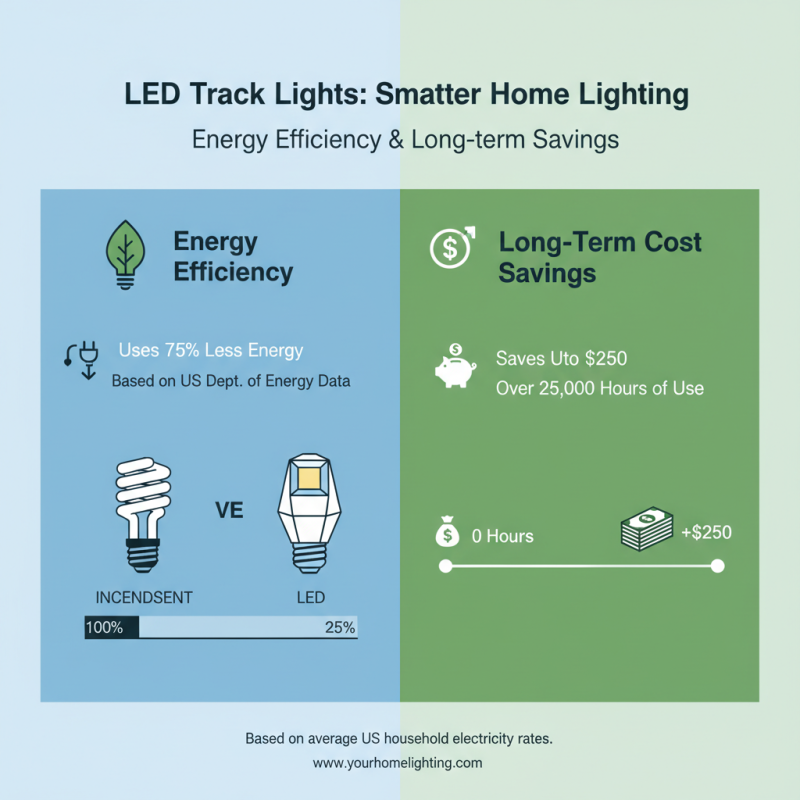
When choosing LED track lights for your home, energy efficiency is a key consideration. According to the U.S. Department of Energy, LEDs use up to 75% less energy than traditional incandescent bulbs. This significant reduction directly impacts your electricity bill, leading to long-term cost savings. Over a span of 25,000 hours, LED lights can save up to $250 in comparison to incandescent lights.
One important tip is to choose lights with a high Color Rendering Index (CRI). A CRI above 80 ensures colors appear vibrant and true. This feature is especially useful in areas like kitchens or art studios. Additionally, consider adjustable track lighting for flexibility. This allows you to direct light exactly where it’s needed.
Another tip involves selecting fixtures with a lower wattage, which promotes energy efficiency while maintaining brightness. Options that offer dimming capabilities can further enhance energy savings and create the perfect ambiance. Ultimately, while LEDs are an upfront investment, their lifespan and efficiency help you avoid frequent replacements. Embracing these choices today might feel daunting, but the long-term rewards are worth it.