10 Tips for Choosing the Best LED Ceiling Light?
Choosing the right Led Ceiling Light is not simply a matter of picking the brightest fixture. A kitchen, bedroom, hallway, or office needs different lighting behavior. Room size, ceiling height, surface colors, and daily routines all affect the result. A warm light may make a bedroom comfortable, while a cooler tone can support focused kitchen tasks.
This guide explores ten practical tips for making a confident choice. It considers lumens, color temperature, color rendering, dimming compatibility, beam spread, energy efficiency, and installation requirements. It also explains why a slim design may suit a low ceiling, while a larger room may need wider distribution or several fixtures. Small details matter. Glare can become tiring after dinner. Poor color rendering can make food and fabrics look dull.
Product labels deserve careful attention. Look for clear specifications, safety certifications relevant to your region, warranty terms, and reliable manufacturer information. An experienced electrician should check wiring and mounting conditions, especially when replacing an older fitting. Online reviews can reveal real noise, flicker, or installation problems, but they should not replace technical evidence.
There is no perfect light for every room.
A fixture that looks elegant in a showroom may feel harsh at home. I have seen bright lights create shadows under cabinets and make a small room appear colder. That is why this article balances measurable performance with lived experience. It also leaves room for reflection: personal comfort is important, but comfort alone should not excuse weak safety information or poor product quality.
Define the Room’s Lighting Needs
Before choosing an LED ceiling light, define what the room must help you do.
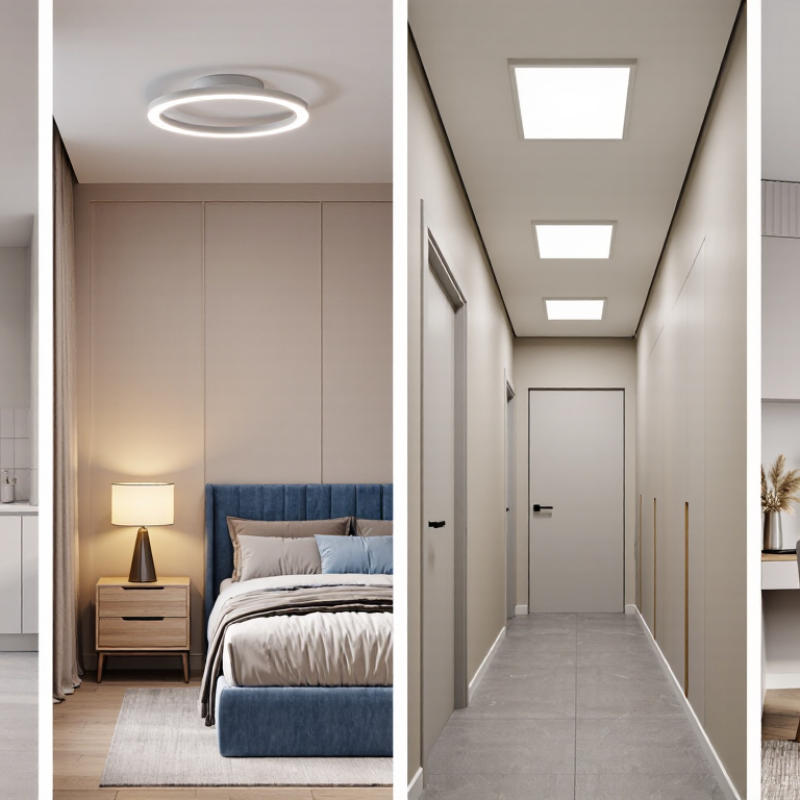
A bedroom usually needs soft, even illumination for dressing and cleaning. A kitchen needs brighter light, especially above counters and work areas. In a hallway, gentle lighting may be enough. Do not judge brightness by wattage alone. Check lumens instead. A small room may need around 1,000 to 2,000 lumens, while a larger kitchen often needs more.
Measure the room and note its ceiling height, wall colors, and natural light.
Dark walls absorb light. White surfaces reflect it. A low ceiling may suit a slim, flush fixture, while a tall ceiling can handle a more substantial design. Color temperature also changes the mood. Warm white light feels calmer in bedrooms. Neutral white often supports kitchens, offices, and laundry areas. Check the color rendering index when accurate colors matter, such as in a dressing area or craft room.
Think about control and safety before appearance.
A dimmable light gives you flexibility, but the fixture and dimmer must be compatible. Bathrooms and covered outdoor spaces require suitable moisture ratings. This detail is easy to overlook. It should not be. Even careful planning may need adjustment after installation. A light that looks bright in a store can feel weak beside dark furniture. Test the room at night, and be willing to revise your choice.
Compare Brightness, Color Temperature, and Color Rendering
Choosing an LED ceiling light starts with the room’s visual task, not the fixture’s shape. Brightness is measured in lumens, while watts describe energy use. For a bedroom, 1,500 to 3,000 lumens may feel comfortable, depending on size and ceiling height. A kitchen often needs more, especially above dark counters. I once installed a seemingly bright light in a white room, then found it harsh at night. That mistake taught me to consider reflected light, not numbers alone.
Color temperature changes the room’s mood and apparent brightness.
Warm white, around 2700K to 3000K, suits bedrooms and relaxed living areas. Neutral white, near 3500K to 4000K, can support kitchens, offices, and entryways. Cool light above 5000K may look crisp, but it can feel clinical indoors. Check the actual Kelvin range on the specification sheet. Terms like “daylight” are not always consistent. Small changes matter.
Color rendering matters when colors must look natural.
Look for a CRI of 80 or higher for general rooms, and 90 or higher near clothing, artwork, or food preparation. R9 performance is also useful because red tones can appear weak in some lights. Compare samples against skin, wood, and painted surfaces. Dimming compatibility deserves equal attention; a light that flickers at low settings is frustrating. I would also test the fixture after installation, because specifications cannot reveal every room’s shadows. My own preference has changed after living with overly cool light for months.
Select the Right Size, Shape, and Mounting Style
10 Tips for Choosing the Best LED Ceiling Light
Select the Right Size, Shape, and Mounting Style
Measure the room before choosing an LED ceiling light. A fixture that looks balanced in a showroom may feel oversized at home. For many rooms, add the length and width in feet, then use that number in inches as a starting diameter. For example, a 10-by-12-foot room may suit a fixture near 22 inches wide. This is only a guide, not a rule.
Match the shape to the room and furniture. Round lights soften square tables and compact bedrooms. Rectangular fixtures often fit long hallways, kitchens, and dining tables more naturally. Check the light’s height, too. Low ceilings usually need a flush mount. Semi-flush models can add visual depth when several inches of clearance are available. Never ignore door swings, shelves, or tall cabinets.
Mounting style affects both comfort and maintenance. A flush fixture keeps dust from collecting above it and works well in busy rooms. A dimmable model can create gentler evening light, but the dimmer must be compatible. I once selected a light by diameter alone, and the room still felt dark near the corners. That mistake taught me to check lumen output and beam spread, not appearance only. Review installation instructions, ceiling support, and electrical requirements before purchase. Professional installation is sensible when wiring or ceiling structure is uncertain.
Evaluate Energy Efficiency, Controls, and Smart Features
Choosing the best LED ceiling light starts with useful performance, not impressive packaging. Compare lumens per watt to measure light output against energy use. A high-efficiency fixture can reduce electricity consumption while maintaining bright, even illumination. Check the color temperature too. Warm white suits bedrooms, while neutral white often works better in kitchens and work areas.
Controls should feel simple at midnight. Look for smooth dimming, clear wall-switch operation, and memory settings that restore your preferred brightness. Motion or daylight sensors can save energy, but poor placement may cause annoying delays. Smart features are valuable when they solve a real problem. App scheduling, voice control, and remote access can support daily routines. However, confirm compatibility with your home network before buying. Some lights lose useful functions without an internet connection.
Test it first.
During practical evaluations, I would measure brightness at desk height and near room corners. This reveals uneven lighting that product photos hide. Check standby power, response speed, and whether the light flickers at low brightness. I once assumed a more advanced control system was automatically better. It was not; setup took longer than expected. Reliable products should provide clear instructions, stable software, and accessible manual controls. Independent safety and efficiency certifications also add confidence, though they do not replace careful installation. Choose features you will use, rather than paying for novelty.
Check Safety Standards, Lifespan, Warranty, and Installation Requirements
When choosing an LED ceiling light, inspect its safety documentation before admiring its brightness. Look for recognized electrical safety certification that applies to your country. The label should show voltage, wattage, color temperature, and indoor or damp-location suitability. A bathroom fixture needs stronger moisture protection than a bedroom fixture. Read the installation instructions. Measure twice.
A reliable lifespan rating should explain expected operating hours and testing conditions. “Long life” alone proves very little. Check the warranty period, coverage, and replacement process. Some warranties cover the driver but exclude labor or damage from incorrect installation. That detail matters. I once underestimated the ceiling junction box depth, and the fixture would not sit flush. The mistake was small, but correcting it required extra wiring work. Check the mounting plate, screw spacing, ceiling support, and wire connections before purchase. Turn off power at the breaker, then verify it with a suitable tester. If the ceiling is old, crowded, or difficult to access, use a qualified electrician. Installation requirements can vary by local code. A light that fits physically may still need professional assessment. Also consider heat management, especially in low-clearance ceilings. Excess heat can shorten component life, despite an impressive advertised rating. A clear manual, traceable testing information, and responsive warranty support are stronger signs of reliability than appearance alone.
10 Tips for Choosing the Best LED Ceiling Light
Compare rated service life, then verify safety certification, warranty coverage, and installation requirements.
A quality LED ceiling light commonly has a rated life of 25,000–50,000 hours, depending on its design and operating conditions. For residential use, look for recognized electrical safety certification, a clearly stated 3–5 year warranty, suitable dimmer compatibility, correct ceiling-box support, and installation instructions that match the local electrical code. A CRI of 80 or higher is generally suitable for everyday lighting, while CRI 90 or higher provides more accurate color rendering.