What Are the Top 10 LED Kitchen Lights?
Choosing the right Led Kitchen Lights involves more than picking the brightest fixture. A kitchen needs layered illumination for chopping, cooking, cleaning, and relaxed conversation. This guide examines ten practical options, including recessed lights, pendant fixtures, under-cabinet strips, track systems, and smart LED panels.
Details matter.
Each selection will be considered through brightness, color temperature, color rendering, beam spread, energy use, and installation demands. Look for high CRI ratings when accurate food colors matter. Warm white light can soften wood cabinets, while neutral white light may improve countertop visibility. Dimmability also deserves attention, especially when one kitchen serves as a dining or homework area.
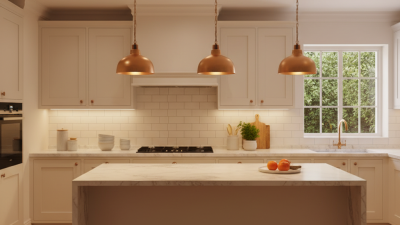
Lighting designer and author Randall Whitehead famously described lighting as “the jewelry of architecture.” His observation fits kitchens surprisingly well. A pendant above an island can become a visual centerpiece, while discreet under-cabinet lighting can remove harsh shadows near the backsplash. Good Led Kitchen Lights should support the room without making every surface glare.
Still, no ranking is perfectly universal. A glossy white kitchen may need less output than a dark stone design. Ceiling height, cabinet depth, wiring access, and personal eyesight can change the result. That is easy to overlook. Some attractive fixtures also produce uneven pools of light or show distracting dots beneath cabinets. We will point out those weaknesses, not hide them, while comparing performance, value, appearance, and everyday reliability. The goal is a practical shortlist for real kitchens, not a showroom fantasy.
What Makes an LED Kitchen Light a Top-Rated Choice?
What Makes an LED Kitchen Light a Top-Rated Choice?
A top-rated LED kitchen light starts with useful, even illumination. In a practical kitchen check, measure brightness at the worktop, not just near the ceiling. A fixture producing around 300 to 500 lumens per square meter may suit general areas, while food preparation often needs more focused light. It should also offer a color rendering index of 90 or higher. Vegetables look more natural, and small stains become easier to notice. Neutral white light, near 3500 to 4000K, usually balances comfort and visibility. Too blue can feel harsh. Too warm may dull food colors.
Glare control matters as much as brightness. Frosted diffusers, recessed placement, and careful spacing can prevent sharp reflections from glossy cabinets. Choose dimming compatibility for early mornings, evening meals, and cleaning tasks. Moisture resistance is sensible near sinks, but the fixture still needs correct installation by a qualified professional.
Look for clear safety certification, published energy data, and a dependable warranty. These details indicate responsible testing rather than attractive packaging. I would also check heat management, because poor ventilation can shorten LED performance. That point is easy to overlook.
A small shadow under wall cabinets can remain, even with a powerful ceiling lamp. Adding a slim task light may solve it better than increasing total brightness. My judgment is not flawless; kitchen layouts, ceiling heights, and personal eyesight change the result. A trial with temporary lighting can reveal problems before permanent installation.
Which Types of LED Kitchen Lights Suit Different Spaces?
Choosing among the top 10 LED kitchen lights depends on the room’s layout, ceiling height, and daily tasks. Recessed downlights suit open kitchens with even ceiling coverage. Surface-mounted panels work better where cutting into the ceiling is difficult. For countertops, under-cabinet strips reduce shadows across chopping boards. Small puck lights create focused pools of light, although they can produce bright spots. Pendants fit islands and breakfast counters, while linear suspended fixtures spread light across longer work surfaces.
Track lights help older kitchens needing adjustable beams. Flush-mount fixtures suit low ceilings. Toe-kick lights add gentle visibility near the floor, especially during night use. Cove lighting provides soft indirect brightness, but it rarely replaces task lighting. In narrow kitchens, a continuous linear fixture often performs better than several scattered lamps. I have found that spacing matters more than fixture count.
The U.S. Department of Energy reports that LEDs use at least 75% less energy and can last up to 25 times longer than incandescent lamps. That supports LEDs for frequently used kitchens, but efficiency alone does not guarantee comfort.
The Illuminating Engineering Society recommends layered lighting, combining ambient, task, and accent sources. Aim for roughly 300–500 lux for general kitchen areas and higher levels over worktops, depending on surface color and visual needs.
Choose a color rendering index of 80 or above; food can look dull under poor-quality light. Warmer 2700–3000K light feels comfortable, while 3500–4000K may improve visual clarity. Too much cool light can feel clinical. My earlier preference for maximum brightness was not always sensible.
How to Compare Brightness, Color Temperature, and Energy Use
A practical top ten includes recessed lights, slim panels, under-cabinet bars, puck lights, and pendant fixtures. It also covers track heads, flush mounts, toe-kick strips, linear island lights, and pantry fixtures. Each type solves a different lighting problem.
Compare brightness in lumens, not watts. A medium kitchen often needs roughly 3,000 to 6,000 total lumens, depending on ceiling height, cabinet color, and daylight. Aim for about 300 to 500 lux on worktops. Under-cabinet lights should illuminate the cutting area without shining directly into your eyes. Check the beam angle and diffuser. A high lumen number can still produce dark corners. It happens.
Color temperature affects comfort and food visibility. Light near 2700K creates a warm, relaxed mood. Temperatures between 3500K and 4000K usually make vegetables and meat look more natural. Light near 5000K may feel sharp during evening cooking. Choose a color rendering index of 90 or higher when accurate food colors matter.
Energy use depends on wattage, operating hours, and useful light output. Compare lumens per watt, then estimate annual cost using your local electricity rate. An 8-watt lamp producing 800 lumens may outperform a 12-watt lamp producing 700 lumens. Use separate switches or dimmers for task and ambient lighting. Test one fixture at night. Measurements can mislead when spacing is poor, glare is strong, or the color feels wrong.
What Are the Top 10 LED Kitchen Lights? - How to Compare Brightness, Color Temperature, and Energy Use
| Rank |
LED Kitchen Light Type |
Power
(W) |
Brightness
(lm) |
Efficacy
(lm/W) |
Color Temperature
(K) |
CRI |
Estimated Annual Use
(kWh) |
Dimmable |
Best Kitchen Application |
| 1 |
Low-profile integrated ceiling panel |
15 |
1,500 |
100 |
4,000 |
90+ |
16.43 |
Yes |
General ceiling lighting and medium-sized kitchens |
| 2 |
Dimmable recessed downlight |
12 |
1,100 |
91.7 |
3,000 |
90+ |
13.14 |
Yes |
Even ambient light with a clean, recessed appearance |
| 3 |
Under-cabinet LED light bar |
10 |
900 |
90 |
3,000 |
90+ |
10.95 |
Usually |
Countertop task lighting and food preparation areas |
| 4 |
Flush-mount ceiling fixture |
18 |
1,800 |
100 |
3,500 |
90+ |
19.71 |
Yes |
Large kitchens requiring broad, low-glare illumination |
| 5 |
LED track-light head |
8 |
720 |
90 |
2,700 |
90+ |
8.76 |
Usually |
Highlighting islands, cabinets, artwork, or dining areas |
| 6 |
Linear pendant LED fixture |
20 |
2,200 |
110 |
4,000 |
90+ |
21.90 |
Yes |
Kitchen islands and long work surfaces |
| 7 |
High-CRI surface-mounted puck light |
9 |
800 |
88.9 |
3,500 |
95+ |
9.86 |
Yes |
Accurate food-color rendering and focused task lighting |
| 8 |
High-output recessed downlight |
20 |
2,000 |
100 |
4,000 |
90+ |
21.90 |
Yes |
High ceilings or kitchens with demanding brightness needs |
| 9 |
Color-selectable LED ceiling light |
16 |
1,600 |
100 |
2,700–5,000 |
80–90+ |
17.52 |
Yes |
Flexible lighting for cooking, cleaning, and entertaining |
| 10 |
LED strip-light system with diffuser |
14 |
1,400 |
100 |
4,000 |
90+ |
15.33 |
Yes |
Continuous under-cabinet or toe-kick accent lighting |
Comparison notes: Lumens indicate total light output, while lumens per watt indicate energy efficiency. A lower Kelvin value produces warmer light; a higher value produces cooler, more neutral light. CRI 90 or higher is generally preferred when accurate food and surface colors matter. Annual energy use is estimated at 3 hours per day for 365 days and is calculated as watts × 1.095.
How to Choose the Best LED Kitchen Light for Your Home
What Are the Top 10 LED Kitchen Lights?
How to Choose the Best LED Kitchen Light for Your Home
The best LED kitchen light depends on your room’s tasks, ceiling height, and existing wiring. Consider recessed downlights, under-cabinet strips, pendant fixtures, flush mounts, track lights, linear bars, toe-kick lights, wall sconces, ceiling panels, and adjustable spotlights. Each type solves a different problem. Recessed lights spread general illumination, while under-cabinet lighting removes shadows from chopping surfaces. Pendants can brighten an island, but they may obstruct sightlines in a small kitchen.
Check brightness, color temperature, beam angle, and color rendering before appearance. The U.S. Department of Energy reports that LED lighting uses at least 75% less energy and can last up to 25 times longer than incandescent lighting. That efficiency matters in kitchens, where lights often operate for several hours daily. For food preparation, choose a high color-rendering option, preferably with a CRI of 90 or higher. Neutral white light around 3000K to 4000K usually balances comfort and accurate food colors.
Layered lighting works best.
Measure the counter first. A narrow beam can create harsh bright spots, while a wide beam may waste light on cabinet doors. I once selected attractive ceiling fixtures without checking cabinet shadows, and the worktop remained dim. That mistake was avoidable. Look for dimming compatibility, moisture resistance near sinks, and replaceable components when possible. The Illuminating Engineering Society’s guidance supports task-focused, layered illumination, yet real kitchens still require personal testing. Place a temporary lamp at eye level before final installation.