Choosing reliable Flush Mount Lighting suppliers requires more than comparing prices, photographs, or product counts. Global buyers must examine design quality, electrical safety, manufacturing consistency, and after-sales support. A refined ceiling fixture may look attractive in a showroom, yet its driver performance can change under unstable voltage. That detail matters.
This guide introduces Top Flush Mount Lighting Manufacturers for Global Buyers through practical purchasing criteria. It considers LED efficiency, heat management, diffuser materials, color temperature, dimming compatibility, and installation design. It also reviews factory experience, quality-control procedures, sample policies, production capacity, and export documentation. Buyers should request test reports, warranty terms, and clear information about regional certifications before placing large orders. Small details often reveal serious suppliers.
Reliability matters.
Manufacturers serving different markets may need to meet varying technical requirements. A model suitable for a hotel in Europe may not fit a residential project in North America. Packaging strength, spare parts, replacement drivers, and communication speed also affect the real purchasing cost. These points are sometimes ignored during early negotiations.
No ranking is perfect. Supplier websites can present polished claims without showing long-term performance data. For this reason, responsible buyers should compare evidence, inspect samples, and ask specific questions about failure rates and maintenance. The best manufacturer is not always the cheapest or largest. It is the partner that delivers consistent Flush Mount Lighting, explains limitations honestly, and supports projects after shipment. Good decisions take patience. Manufacturers deserve careful review, too.
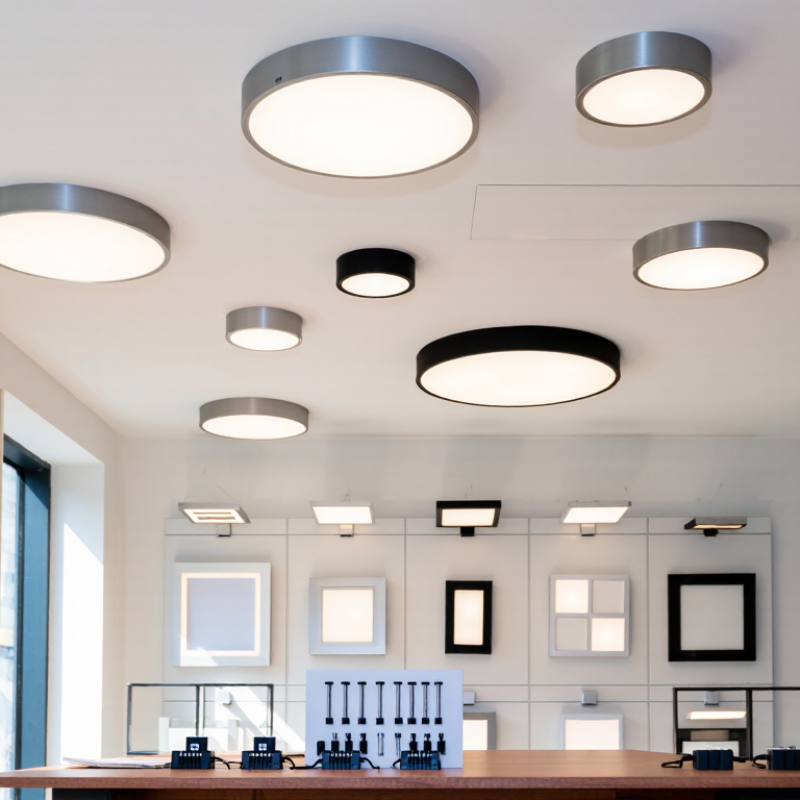
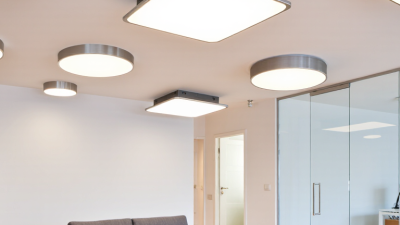
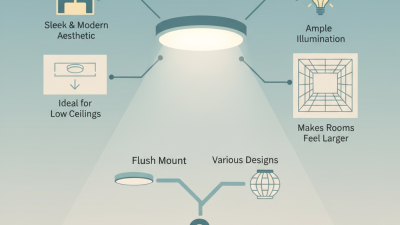
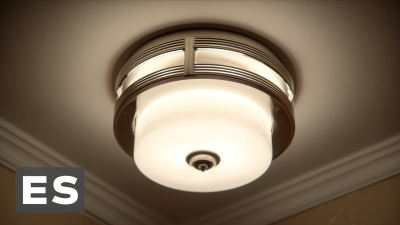
Flush mount lighting is a ceiling fixture installed close to the surface, without a hanging rod or chain. Its compact profile suits rooms with low or uneven ceilings. The fixture usually includes a backplate, light source, diffuser, and mounting hardware. A diffuser softens glare and spreads light across the room. In residential projects, it often appears in bedrooms, hallways, kitchens, entryways, and utility rooms. It can also serve offices, hotels, clinics, and retail corridors where headroom matters.
From practical site checks, ceiling height is only one design factor. The room’s size, surface color, and daily activity also affect light quality. A warm color temperature can make a bedroom feel calmer. A neutral temperature may improve visibility in a kitchen or workspace. For bathrooms or covered outdoor areas, buyers should verify the fixture’s moisture rating and installation suitability. Electrical connections must follow local requirements and should be handled by a qualified professional. A secure ceiling box matters too.
I once underestimated diffuser performance in a narrow hallway. The fixture looked bright, but the far wall remained dull. That mistake showed why lumen figures cannot replace a room assessment. Flush mounts save space, yet some models produce flat, uninviting light. Layering them with task or accent lighting often creates better results. The best choice depends on ceiling structure, maintenance access, glare control, and the people using the space. Small details matter.
Evaluating flush mount lighting manufacturers requires more than comparing catalog prices. Start with documented performance. The U.S. Department of Energy’s Solid-State Lighting R&D Opportunities report highlights efficacy, color quality, reliability, and controls as core priorities. Ask manufacturers for LM-79 photometric reports, LM-80 data, lifetime projections, and complete IES files. These documents reveal whether a bright sample will perform consistently in real rooms.
Check production discipline, not only product appearance. Review ISO 9001 procedures, incoming-material checks, thermal testing, and final inspection records. A reliable manufacturer should explain its LED sourcing, driver protection, surge rating, and dimming compatibility.
The International Energy Agency has reported that lighting represents about 15% of global electricity demand. Small efficiency claims therefore deserve careful verification. Energy labels and test conditions must match the destination market. A beautiful housing cannot repair unstable electronics. I learned that late.
Tips: Request three samples from separate production batches. Compare color temperature, flicker, noise, heat, and power consumption. Confirm warranty terms, spare-part access, packaging tests, and minimum order quantities. Also ask for recent corrective-action records. Silence is information.
Manufacturers serving global buyers should provide traceable compliance files, clear lead times, and responsive technical support. Independent laboratory testing adds credibility, especially when claims exceed standard specifications. Do not treat certificates as permanent proof; models, factories, and components can change. A factory visit or third-party audit remains valuable. It may feel excessive for a small order, but failures become expensive after installation.
Top Flush Mount Lighting Manufacturers by Product Specialization
For global buyers, product specialization often matters more than factory size. Manufacturers focused on residential LED flush mounts usually offer compact designs, warm color temperatures, and simple ceiling installation. Their teams understand glare control, diffuser quality, and stable dimming for bedrooms or hallways. Commercial specialists work differently. They prioritize higher lumen output, longer operating hours, heat management, and consistent light distribution. Ask for photometric files, thermal test results, and sample units before placing a large order. A polished catalog is not enough.
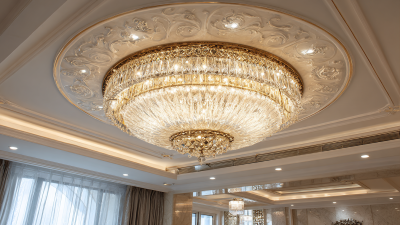
Some manufacturers concentrate on damp-location models for bathrooms, balconies, and covered entrances. Others develop smart fixtures with occupancy sensors, wireless controls, or adjustable color temperatures. Decorative specialists may provide metal finishes, fabric shades, or custom dimensions for hospitality projects. Customization sounds attractive. It can also increase tooling costs, production time, and quality risks. I have seen buyers approve a beautiful sample, then discover uneven finish matching across a full shipment. Pre-production approvals and batch inspections reduce that problem. Still, no inspection plan is perfect. Buyers should review warranty terms, spare-part access, packaging strength, and compliance documents for each destination market. Reliable suppliers explain limitations clearly, instead of promising every feature at the lowest price.
| Product Specialization | Typical Applications | Common Diameter Range | Typical Wattage | Common Color Temperatures | Key Technical Features | Typical Buyer Requirements |
|---|---|---|---|---|---|---|
| Residential LED Flush Mounts | Bedrooms, hallways, kitchens, entryways, and living rooms | 8–18 in. (20–46 cm) | 10–30 W | 2700K, 3000K, 4000K, and 5000K | Integrated LED, low profile, frosted diffuser, selectable color temperature on some models | Easy installation, low energy consumption, attractive retail packaging, and residential safety compliance |
| Decorative Metal and Glass Fixtures | Dining areas, hospitality interiors, bedrooms, and feature spaces | 12–24 in. (30–61 cm) | 40–100 W total lamp load or LED equivalent | 2700K–4000K | Decorative finishes, opal glass or acrylic diffusers, replaceable lamps or integrated LED modules | Consistent finish quality, secure packaging, installation hardware, and design flexibility |
| Commercial Office Flush Mounts | Offices, corridors, classrooms, clinics, and public buildings | 12–24 in. (30–61 cm) | 20–50 W | 3500K, 4000K, and 5000K | Uniform light distribution, low glare options, high efficacy, dimming compatibility, and long rated life | Photometric files, project consistency, maintenance efficiency, and applicable regional certification |
| Industrial and Utility Flush Mounts | Workshops, warehouses, service rooms, stairwells, and utility areas | 10–24 in. (25–61 cm) | 20–60 W | 4000K and 5000K | Impact-resistant diffuser, corrosion-resistant housing, high operating temperature tolerance, and optional emergency battery | Durability, straightforward servicing, stable performance, and appropriate ingress protection |
| Bathroom and Damp-Location Fixtures | Bathrooms, laundry rooms, covered outdoor areas, and coastal interiors | 10–18 in. (25–46 cm) | 15–35 W | 3000K, 4000K, and 5000K | Sealed diffuser, moisture-resistant construction, corrosion-resistant hardware, and damp-location rating where applicable | Verified location rating, reliable sealing, easy cleaning, and resistance to humidity |
| High-Output Commercial Fixtures | Retail stores, supermarkets, hotels, large corridors, and multipurpose facilities | 18–36 in. (46–91 cm) | 40–100 W | 3000K, 3500K, 4000K, and 5000K | High lumen output, thermal management, multiple driver options, dimming, and occupancy-sensor compatibility | Consistent lumen delivery, energy-code documentation, dependable drivers, and project-level support |
| Smart and Connected Flush Mounts | Smart homes, hotels, serviced apartments, and connected commercial spaces | 12–24 in. (30–61 cm) | 15–50 W | 2700K–6500K or tunable white | App control, scheduling, dimming, color-temperature adjustment, wireless connectivity, and voice-assistant integration | Stable software support, data-security information, regional wireless compatibility, and simple commissioning |
| Emergency and Safety Flush Mounts | Public buildings, hotels, schools, offices, and evacuation routes | 10–24 in. (25–61 cm) | 10–40 W | 4000K and 5000K | Battery backup, maintained or non-maintained operation, self-testing options, and visible status indicators | Emergency-duration documentation, battery replacement access, testing procedures, and local life-safety approval |
Note: The specifications shown are typical market ranges for flush mount lighting categories. Actual performance, certifications, ingress ratings, dimensions, and controls vary by product configuration and destination market.
Top Flush Mount Lighting Manufacturers for Global Buyers
International certifications should guide every flush mount lighting purchase. A reliable manufacturer provides traceable test reports, not only printed certificate logos. For European markets, check CE documentation and compliance with relevant IEC 60598 requirements. UK buyers may require UKCA marking, while North American projects often request UL or ETL certification. RoHS and REACH information can also support responsible material selection. Confirm that each document matches the exact model, voltage, wattage, and production site.
Practical inspection matters too. Ask for samples with clear labels, wiring diagrams, installation instructions, and rated lifetime details. Check whether the fixture supports 220–240V or 120V systems before ordering. Review IP ratings for bathrooms, corridors, or covered outdoor areas. A factory audit can reveal wiring quality, grounding methods, diffuser strength, and final inspection records. One certificate alone is not proof of consistent quality. No checklist is perfect. Requirements can also change between markets, so buyers should verify current rules with qualified local professionals.
Tips: Request certificates in the target market’s language. Match the certification number to the product label. Keep sample photos and test reports in one purchasing file. Ask how failed units are recorded and corrected. A small detail, such as an undersized terminal, may create installation delays. Experienced manufacturers usually explain limitations clearly, although their answers may still need independent review.
The chart shows the reference publication year of widely used IEC and CISPR standards relevant to flush mount lighting, including luminaire safety, photobiological safety, electromagnetic compatibility, and power quality. Edition years may vary by market and product type, so global buyers should confirm the current applicable edition and required conformity assessment for the destination country.
When comparing flush mount lighting suppliers, start with evidence, not polished catalogs. Request factory photographs, production capacity, sample test reports, and recent export references. A serious supplier should explain LED lifespan, color temperature, CRI, dimming compatibility, and ingress protection clearly. Ask for a sample with the same housing, diffuser, driver, and finish as the proposed order. Small differences matter. A frosted diffuser can change brightness and color perception.
Price comparisons need a common specification sheet. Record wattage, diameter, materials, driver quality, packaging, and included accessories. A lower quotation may exclude tooling, neutral packaging, inspection, or replacement parts. Check whether pricing is based on EXW, FOB, or another agreed delivery term. Request separate figures for samples, tooling, freight, and bulk production. This prevents an attractive first quote from becoming expensive later.
Order terms deserve equal attention. Confirm minimum order quantity, production lead time, payment schedule, warranty scope, and claims procedure in writing. Ask how defects are measured and how quickly replacement components ship. I once focused too heavily on unit price and underestimated carton damage during transit. That was a costly lesson. Now I request drop-test details, carton dimensions, pallet plans, and loading photos. Buyers should also verify independent inspection options before final payment. Supplier communication is evidence too. Slow, vague replies may signal trouble, though not always. Some capable factories simply need clearer technical questions.