Leave Your Message

Top Smart Lighting for Home Manufacturers in China

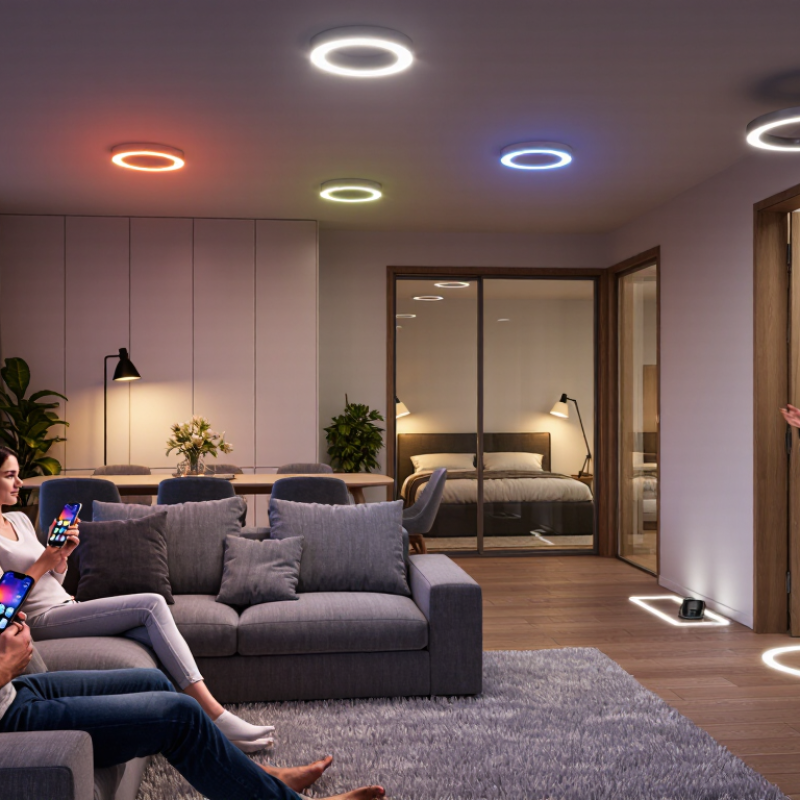
Smart Lighting For Home is moving from a decorative upgrade into a connected household system. Users now expect app control, voice commands, energy monitoring, and dependable automation. China’s manufacturers compete strongly in these areas, supported by mature electronics supply chains and rapid product iteration.

MarketsandMarkets estimates that the global smart lighting market may grow from approximately USD 20.6 billion in 2023 to USD 46.6 billion by 2028. Its report identifies connected controls, wireless communication, and energy efficiency as major growth drivers. Fortune Business Insights reports a different market size and forecast. That difference matters. Definitions vary between connected lamps, controls, and complete systems.

Dr. Mariana Figueiro, a leading circadian-lighting researcher, has said, “Light is the strongest synchronizer of the circadian system.” Her observation adds an important professional perspective. A bedroom lamp should not only dim smoothly. It should also support comfortable evening use, accurate color adjustment, and predictable scheduling. A hallway sensor should react quickly, not after someone reaches the stairs.

This guide examines top Smart Lighting For Home manufacturers in China through practical criteria. These include product reliability, color consistency, app stability, protocol support, certifications, warranty handling, and after-sales communication. Matter compatibility deserves attention, but it should not become a shortcut for judging quality. A product can advertise modern connectivity and still offer weak software.

Some market claims sound impressive. Real homes are less forgiving. We will therefore consider installation details, firmware behavior, packaging quality, and long-term user experience. These areas are sometimes underreported, yet they often determine whether a smart light becomes genuinely useful.
Top Smart Lighting for Home Manufacturers in China

Smart Lighting Manufacturing in China: An Industry Overview

Top Smart Lighting for Home Manufacturers in China

China’s smart lighting industry combines LED production, electronics assembly, wireless modules, and software development. Major manufacturing clusters in Guangdong and Zhejiang support both large orders and customized projects. Factories commonly produce ceiling lights, downlights, strips, sensors, and connected switches. Their capabilities can differ sharply, even within the same industrial area.

A reliable manufacturer should explain its driver quality, thermal design, firmware process, and testing records. Practical evaluation matters more than attractive samples. Ask for dimming tests, wireless range results, heat measurements, and aging reports. Products for export may require standards such as CE, RoHS, FCC, or other market-specific approvals. Requirements depend on the destination. Software support also deserves attention. Some factories build excellent hardware but provide weak applications or slow firmware updates. That gap can damage the user experience.

Tips: Request a small pilot order before mass production. Test lights in real rooms, not only showrooms. Check flicker with a suitable meter. Review packaging, manuals, and replacement procedures. Keep written specifications for color temperature, brightness, materials, and control functions. A supplier may promise broad compatibility, yet actual performance can vary across routers and control systems. That is normal, but it needs verification. Good sourcing is not effortless. Expect revisions.
Key Features of China’s Smart Lighting Products

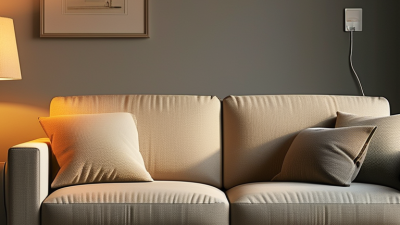
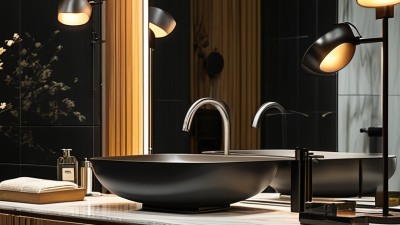
China’s smart lighting manufacturers are developing products for apartments, offices, hotels, and outdoor spaces. Their strongest designs combine useful automation with simple installation. A typical ceiling light may support Wi-Fi, Bluetooth, or a local wireless gateway. Some systems also connect with voice assistants and common home automation platforms.

Adjustable brightness is now a basic expectation. Better products provide warm-to-cool color control, often from soft amber to clear daylight. This helps users create a relaxed bedroom or a focused workspace. Motion sensors can turn corridor lights on within seconds, while schedules reduce unnecessary energy use. Scene settings are practical, too. One tap can set lower brightness for evening reading.

Small details matter.

Reliable products usually include memory functions, heat management, and firmware updates. Manufacturers should state operating temperature, input voltage, expected lifespan, and wireless range clearly. Independent testing of flicker, electrical safety, and radio performance adds confidence. However, specifications do not tell the entire story. Some apps feel unfinished, and pairing may fail in rooms with thick concrete walls. Better suppliers provide installation guides, responsive technical support, and replacement procedures. Waterproof ratings also need careful checking; a splash-resistant lamp is not automatically suitable for heavy rain. The best purchasing decisions come from testing real samples, not trusting polished product images alone.

Smart lighting products commonly available in China feature adjustable color temperatures from warm white to daylight, color rendering indexes of approximately 80–95, rated lifetimes of around 15,000–50,000 hours, and broad input-voltage compatibility. These representative specification ranges highlight the flexibility, efficiency, and connectivity-oriented design of modern residential smart lighting.

Leading Types of Smart Lighting Manufacturers

China’s smart lighting manufacturers generally fall into four practical types: OEM factories, ODM developers, component-focused producers, and complete-solution integrators. OEM manufacturers build to a buyer’s drawings, often offering strong production capacity and lower unit costs. ODM companies contribute ready-made designs, firmware, and housing options. This can shorten launch time, but customization may remain limited.

Component-focused manufacturers concentrate on LED modules, drivers, sensors, wireless controllers, or power systems. Their expertise matters when lighting must maintain stable brightness in humid kitchens, narrow corridors, or large commercial spaces.

Solution integrators combine hardware, software, gateways, and installation support. They are more suitable for hotels, offices, and residential projects requiring scenes, scheduling, occupancy detection, and energy monitoring. The boundary is not always clean.

Market data supports this growing specialization. Fortune Business Insights estimated the global smart lighting market at about USD 15 billion in 2023, with projected double-digit annual growth through 2030. The U.S. Department of Energy reports that LED products use at least 75% less energy than incandescent lighting. Smart controls can improve savings further, although results depend on user behavior and system settings. That detail is easy to overlook.

For buyers, factory audits should examine test records, firmware update procedures, driver reliability, and communication compatibility. Ask for samples under real operating conditions. A bright showroom sample proves little. Some manufacturers publish impressive efficiency figures, yet omit standby power or failure rates. That deserves scrutiny. A dependable supplier is not always the cheapest one.

How to Evaluate Chinese Smart Lighting Suppliers

Evaluating Chinese smart lighting suppliers requires more than comparing unit prices. MarketsandMarkets estimates the global smart lighting market will grow from about USD 15 billion in 2023 to over USD 34 billion by 2028. That growth attracts capable factories and inexperienced intermediaries. Confirm the supplier’s legal entity, factory address, ownership of production equipment, and export history. Ask for recent audit records, not polished presentation slides.

Request a complete bill of materials and test evidence for the LED module, driver, wireless module, and housing. Check photometric data, power-factor results, thermal performance, and ageing-test duration. LM-80 and TM-21 reports can support LED life claims, but they do not prove the whole lamp will last. The U.S. Department of Energy notes that LED lifetime depends strongly on temperature and operating conditions. Test samples at maximum load for several weeks. Small details matter.

Connectivity needs equal scrutiny. The Connectivity Standards Alliance reported millions of certified smart-home products under its interoperability standard by 2024, yet certification alone does not guarantee smooth installation. Require documented firmware-update procedures, data-security controls, failure-response times, and compatibility testing with your target ecosystem. Inspect random production units, not only samples selected by the supplier. Prices can change after tooling. I have seen evaluation plans miss this point. A stronger process links every promise to a record, test, or accountable person.

Applications and Purchasing Considerations for Homeowners

For homeowners, smart lighting is useful when it solves a daily problem, not when it adds another app. In kitchens, adjustable white light supports food preparation. In bedrooms, warmer tones can reduce visual stimulation before sleep. Motion sensors suit hallways and stairs, while dimming improves evening comfort. The U.S. Department of Energy reports that LED lighting uses at least 75% less energy and lasts up to 25 times longer than incandescent lighting. Smart controls can extend these savings, but poor settings may leave lights operating unnecessarily.

China’s home-lighting manufacturers increasingly offer products with scheduling, occupancy sensing, voice control, and remote access. Market research from MarketsandMarkets projects the global smart-lighting market to grow from about USD 20.2 billion in 2024 to USD 46.9 billion by 2029. Growth alone is not a buying reason. Homeowners should check lumen output, color-rendering index, dimming range, standby power, and compatibility with existing wiring. A 90-plus CRI rating is preferable where accurate colors matter. Check protocol support too. Wi-Fi is convenient, while local-control options may remain usable during internet outages.

Security deserves practical attention. Buyers should review update policies, account protection, data handling, and warranty terms before installation. Independent electrical testing and clear certification records matter more than polished packaging. I have seen installations fail because the wall switch cut power to the smart lamp. That detail is easy to miss. A small pilot installation can reveal connection delays, glare, and confusing controls before a whole home is fitted.